Stories for the grown-ups too.
Grown-Up Practice · inside My Whole StorySooner or later, a child brings you something that hurt — and what you say back, they carry for years. These are practice stories where you are the learner — parents and caregivers, teachers, and grandparents raising them again: the same five steps, the same choice moment, the same no-shame retry. The words, ready when you need them.
You saw right. That was wrong — his wrong, not yours.
You're not in trouble with me. Tell me what happened — I want the whole story.
You live with me because I love you — that part never changes.
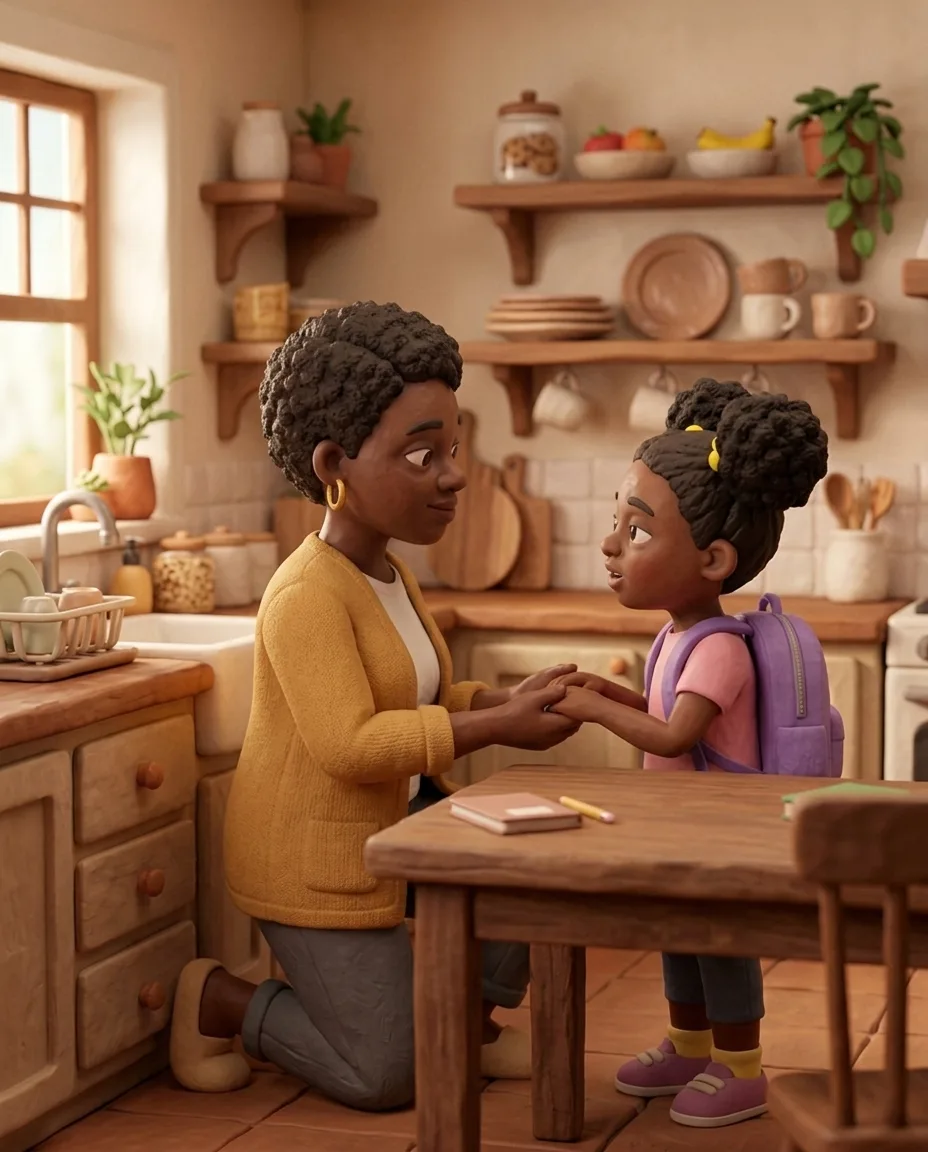
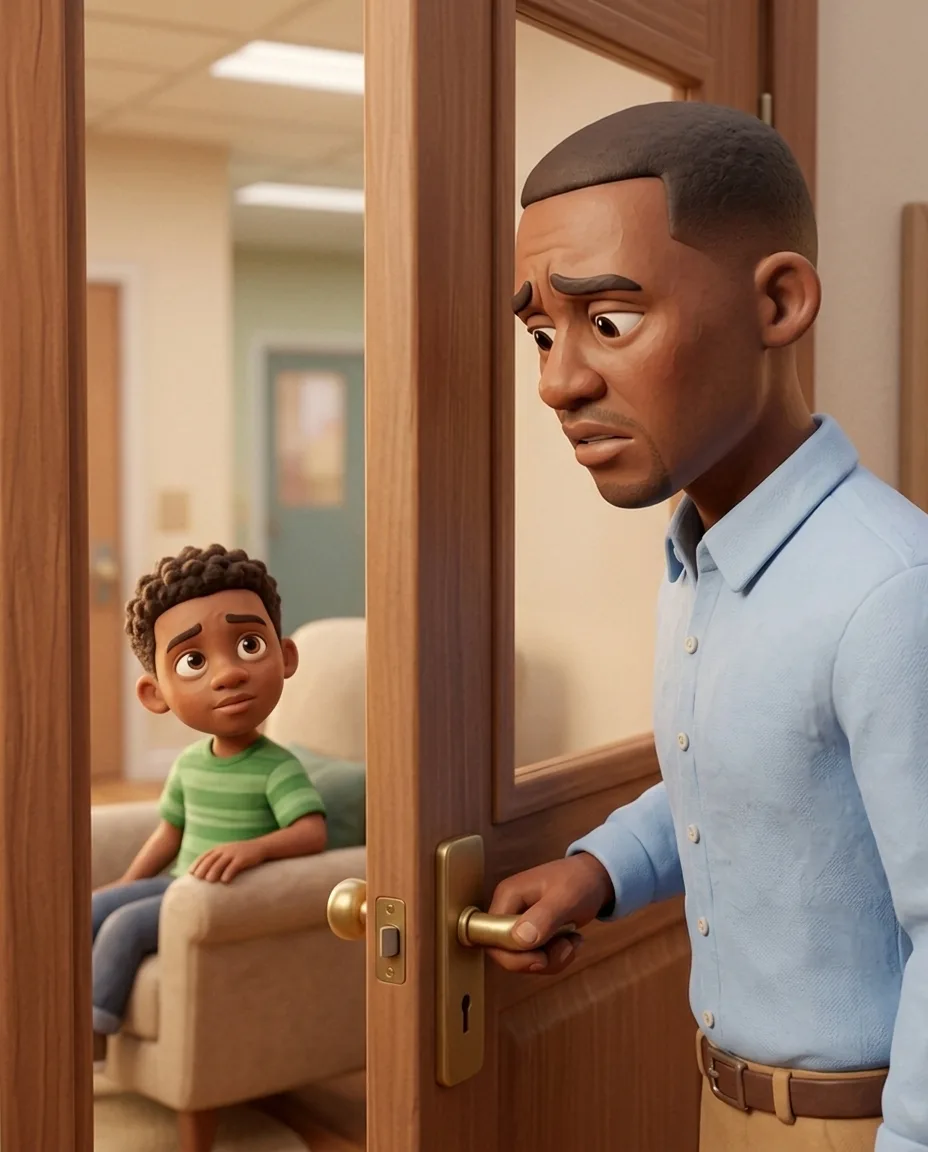
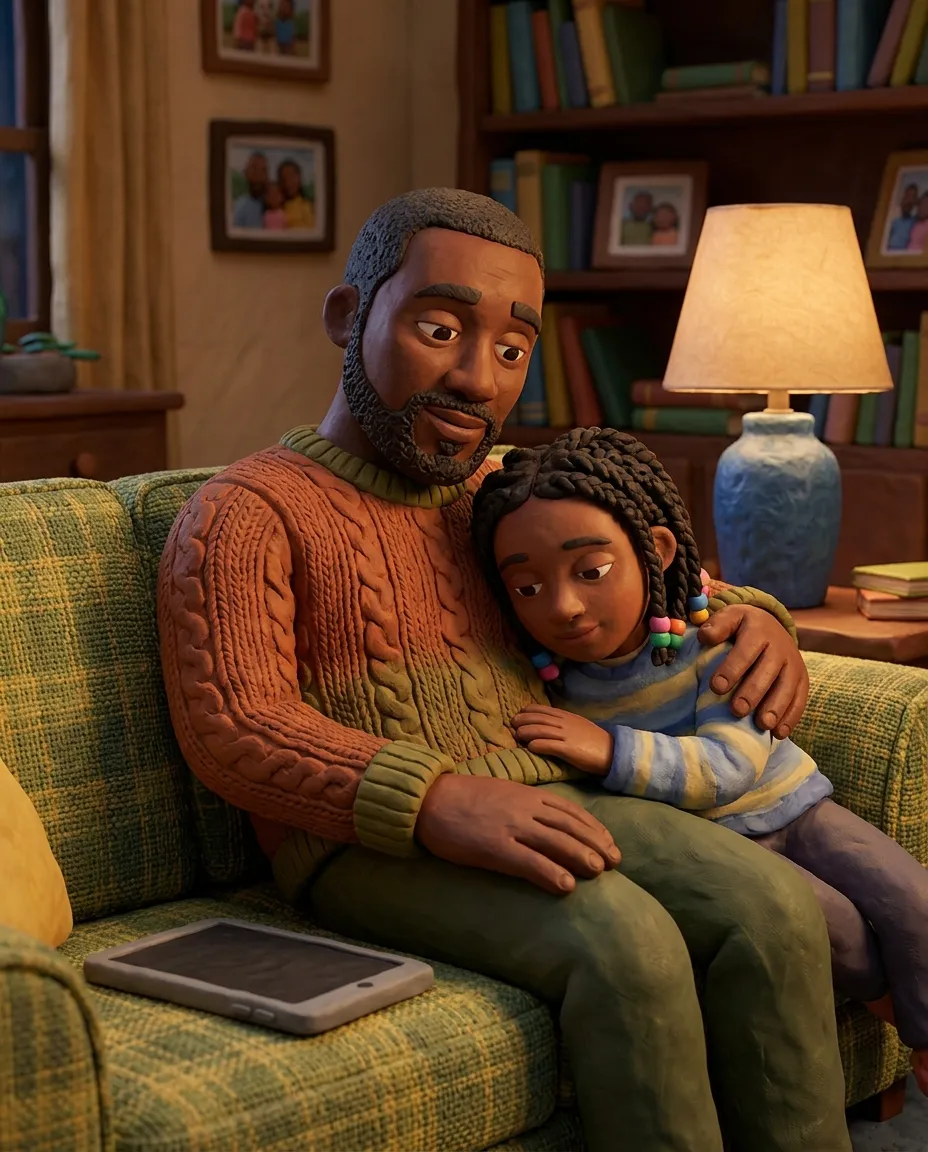
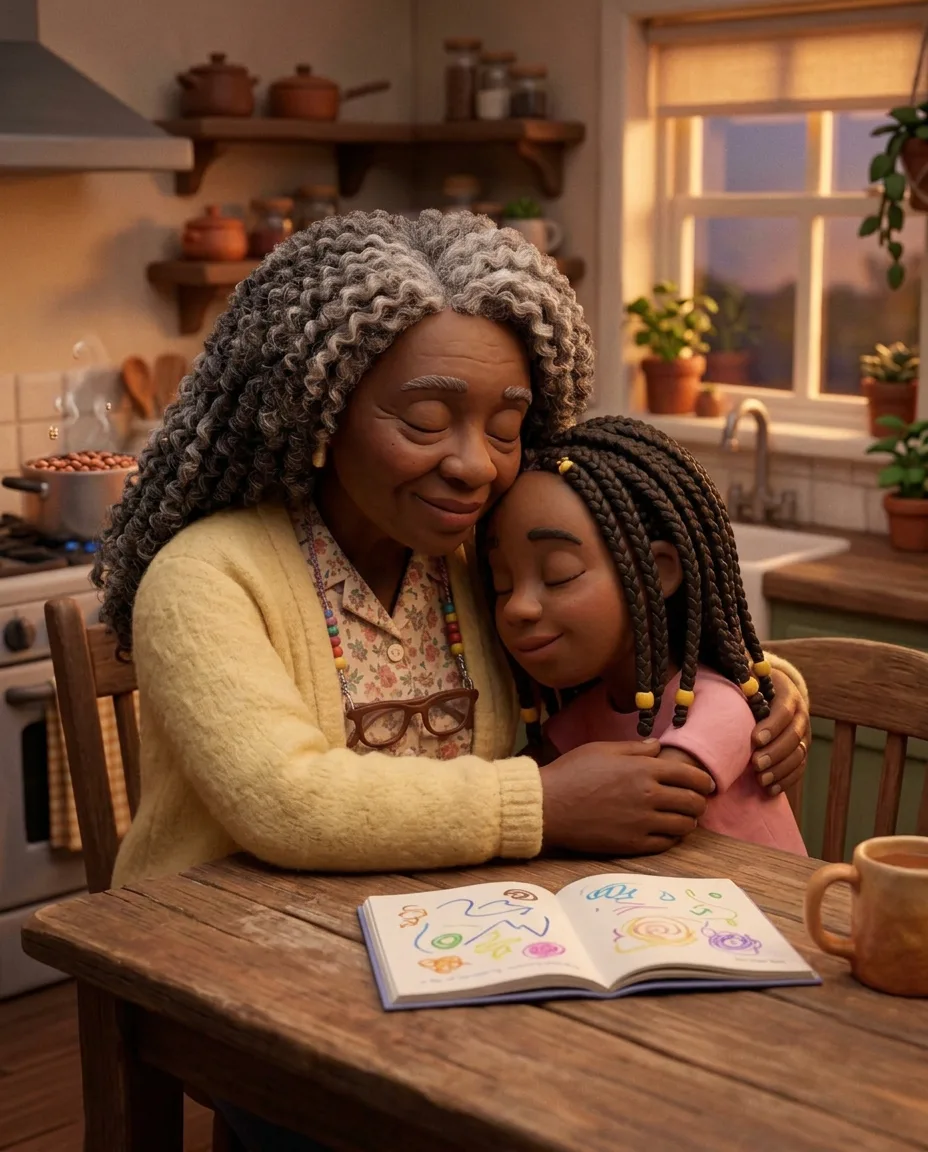
For parents & caregivers
The moments every Black parent knows are coming — a slur reported, a question from the back seat, the big feelings at night — with the exact words ready.
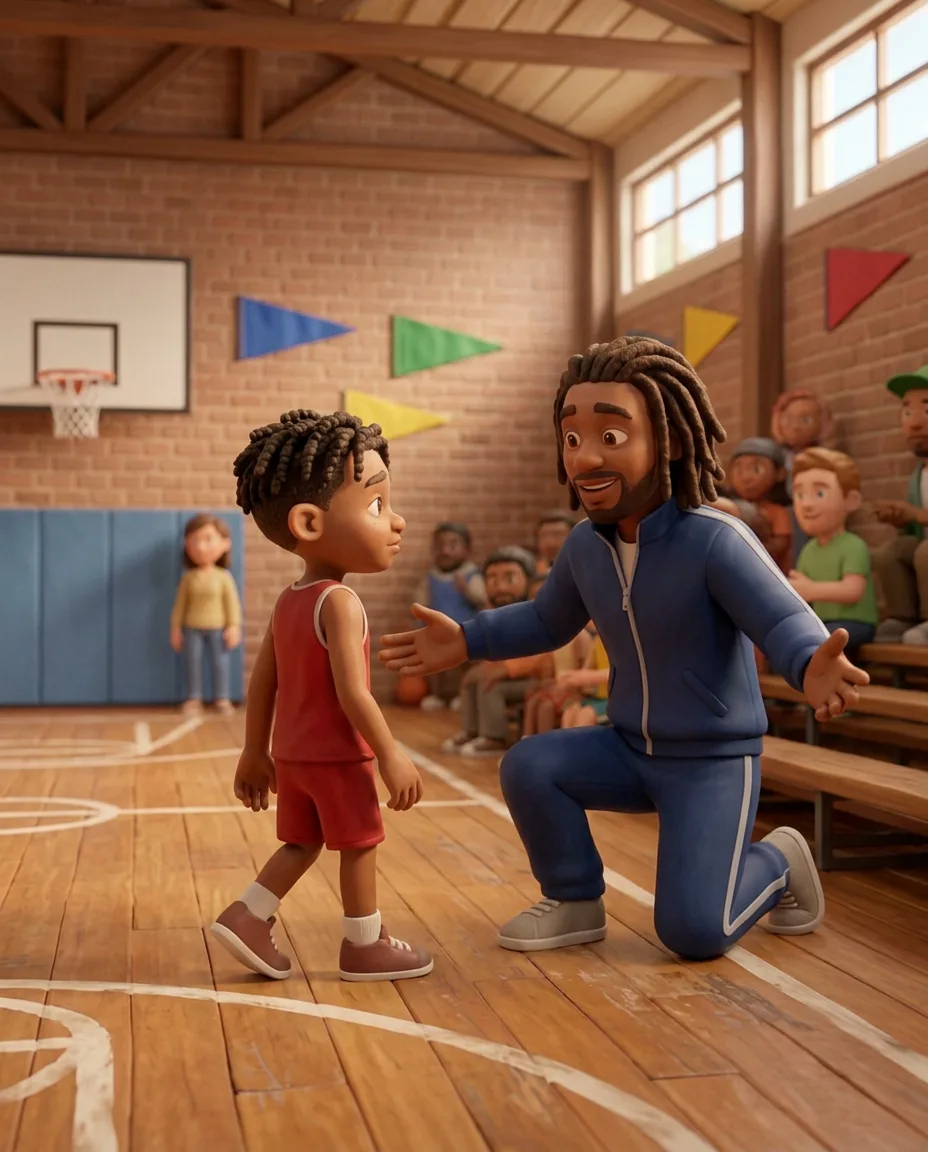


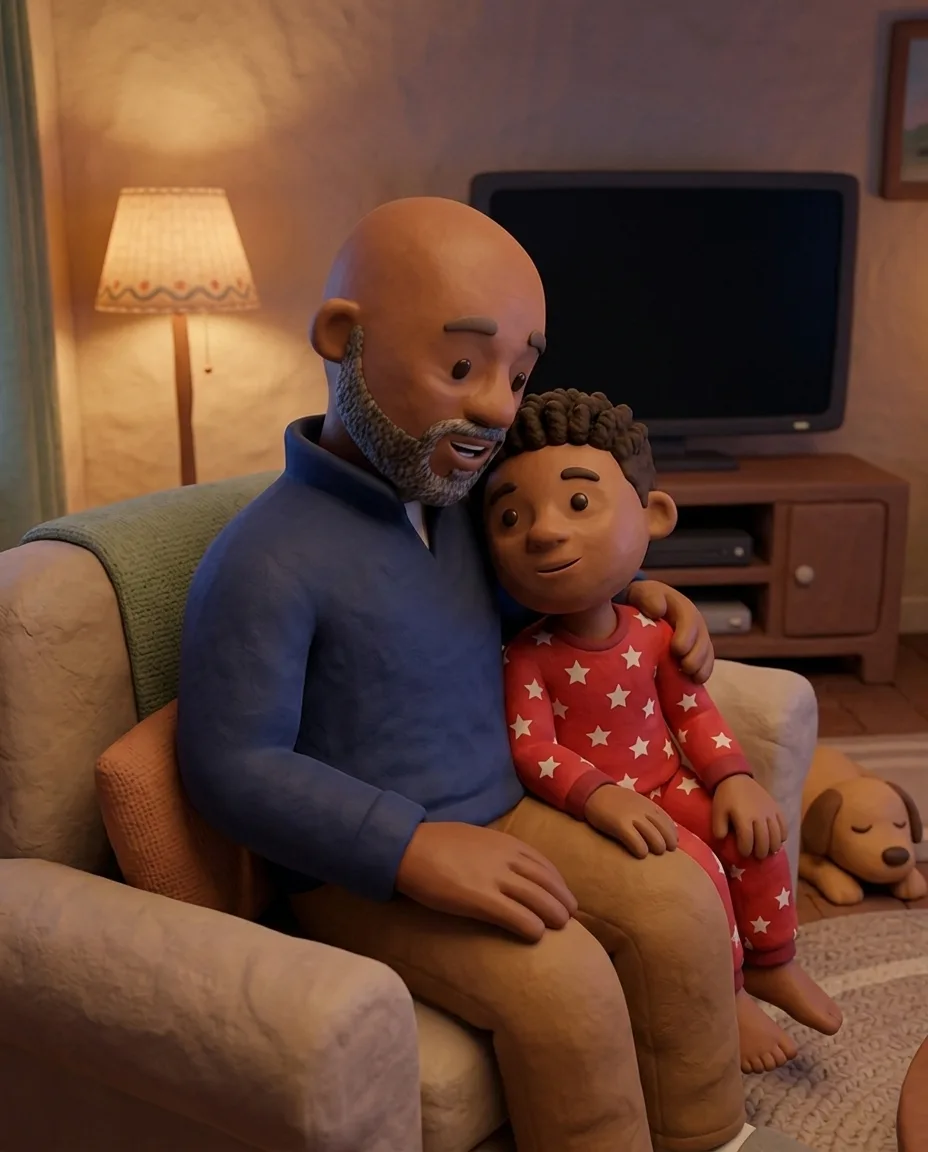

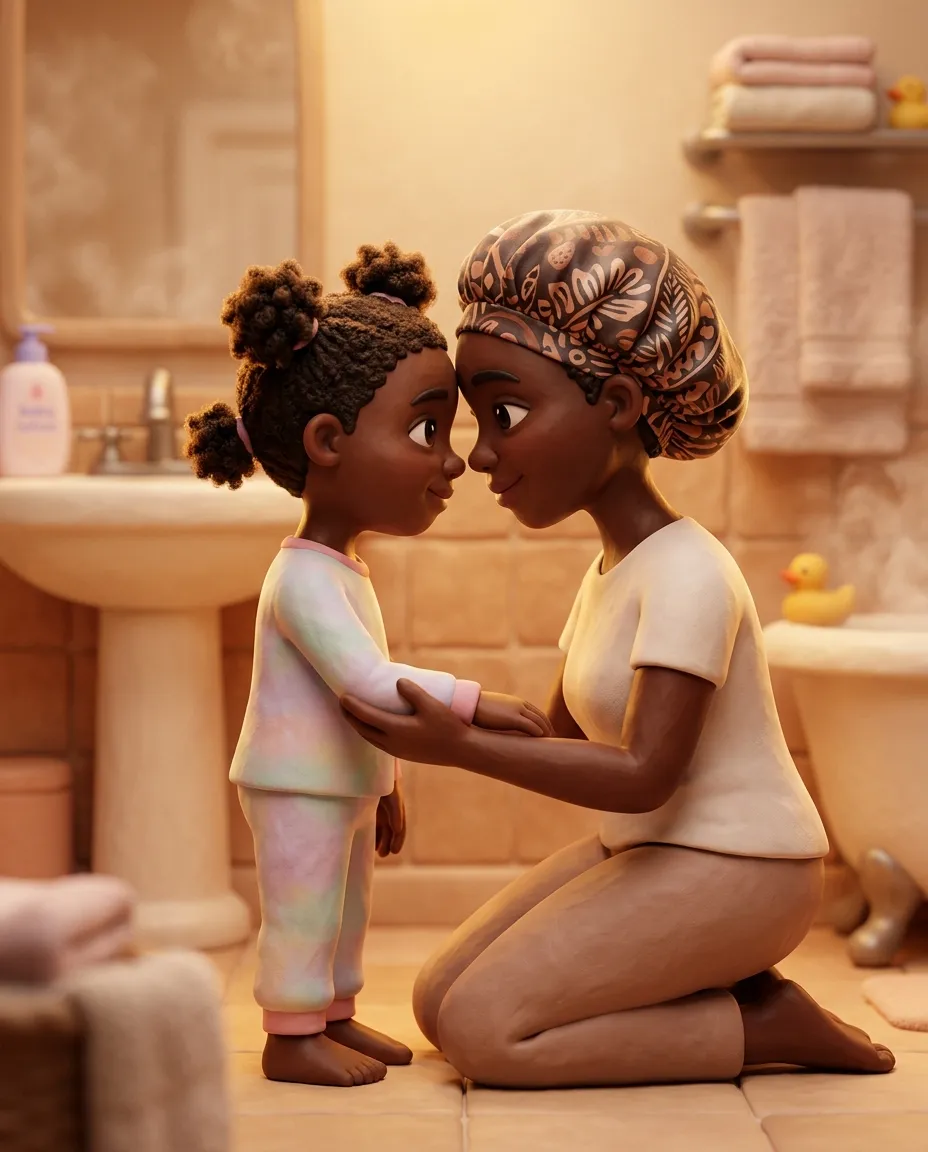

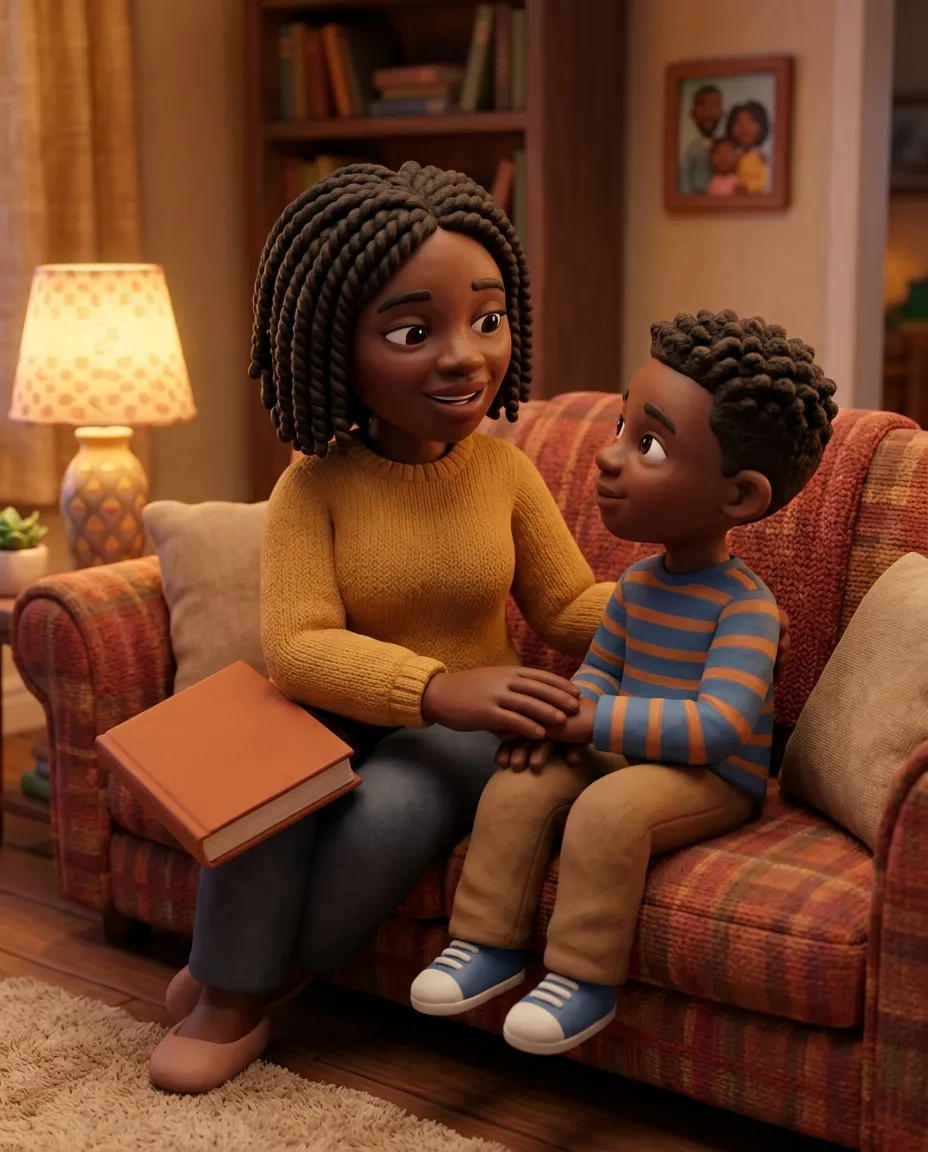
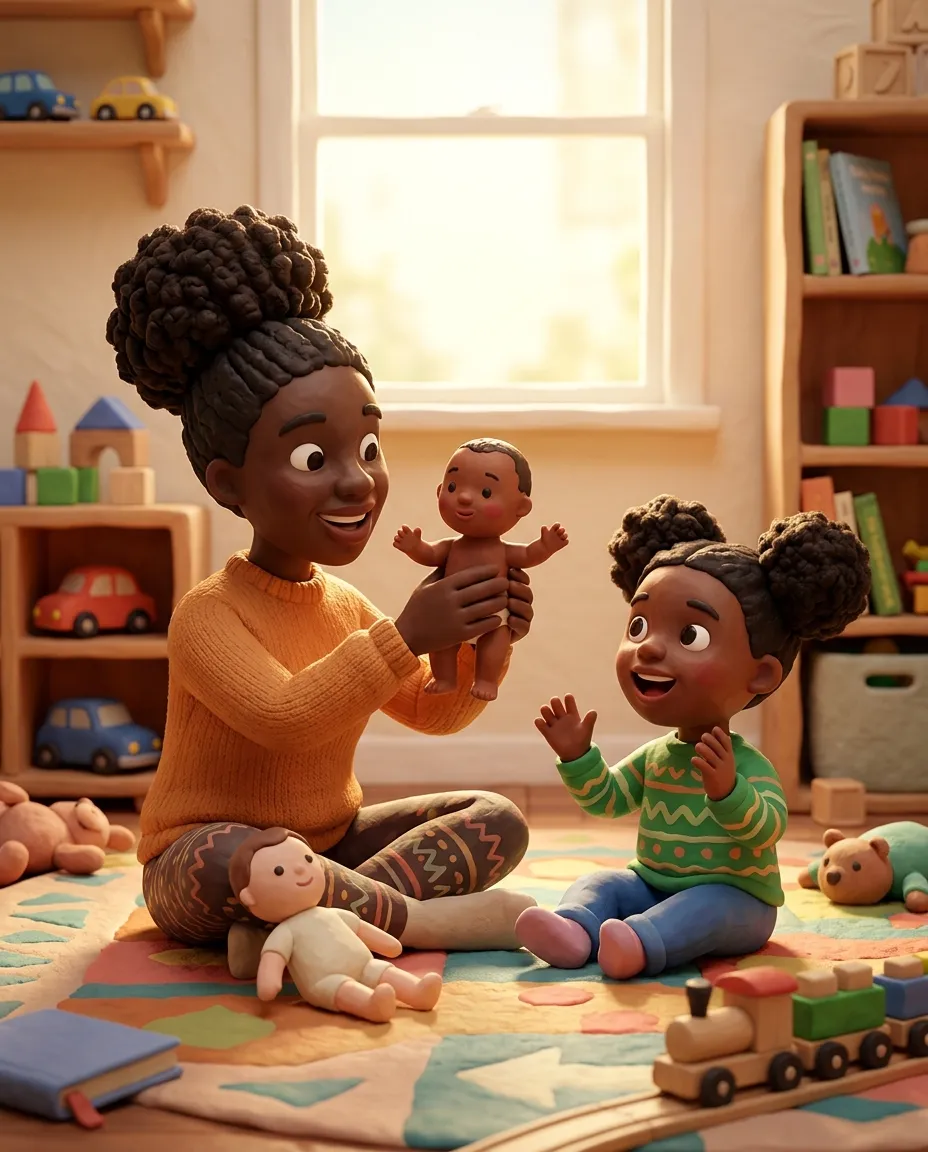
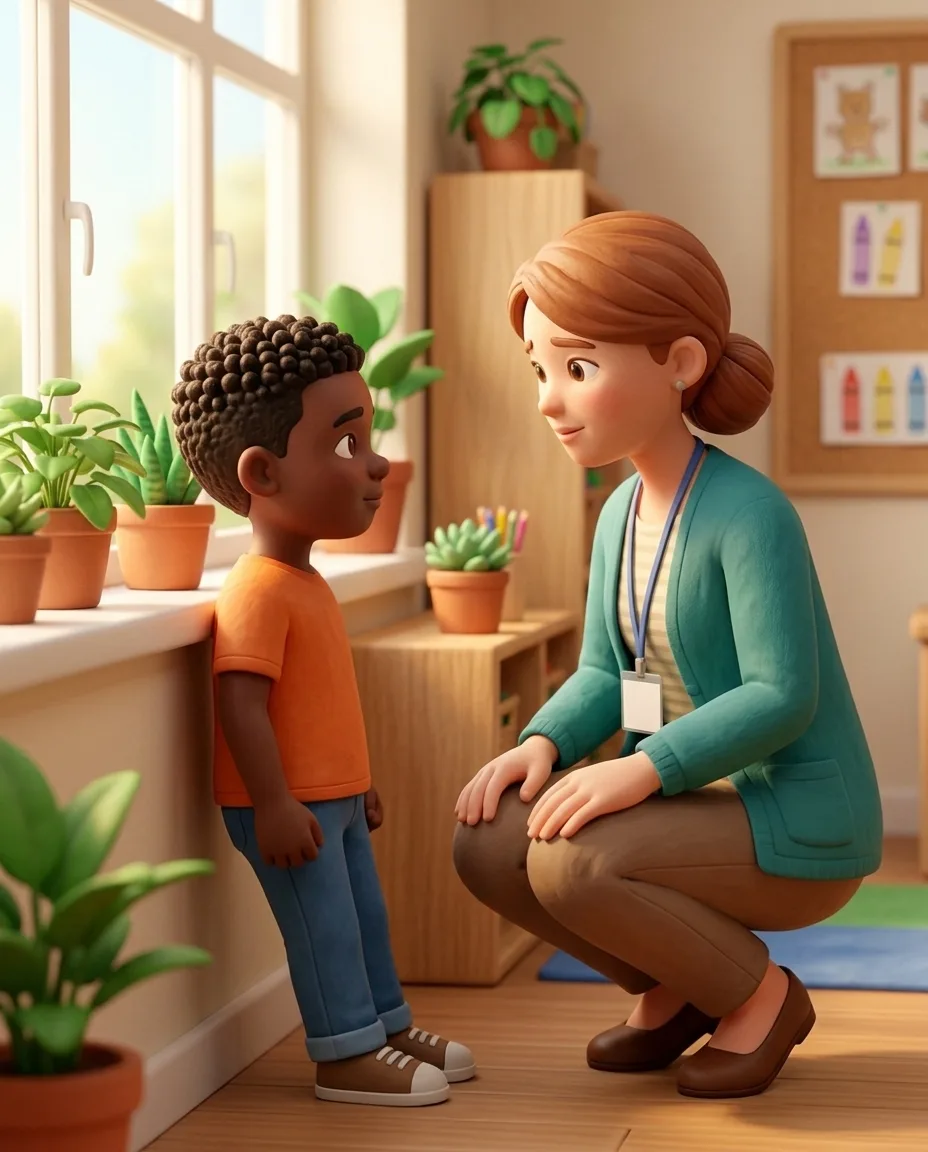
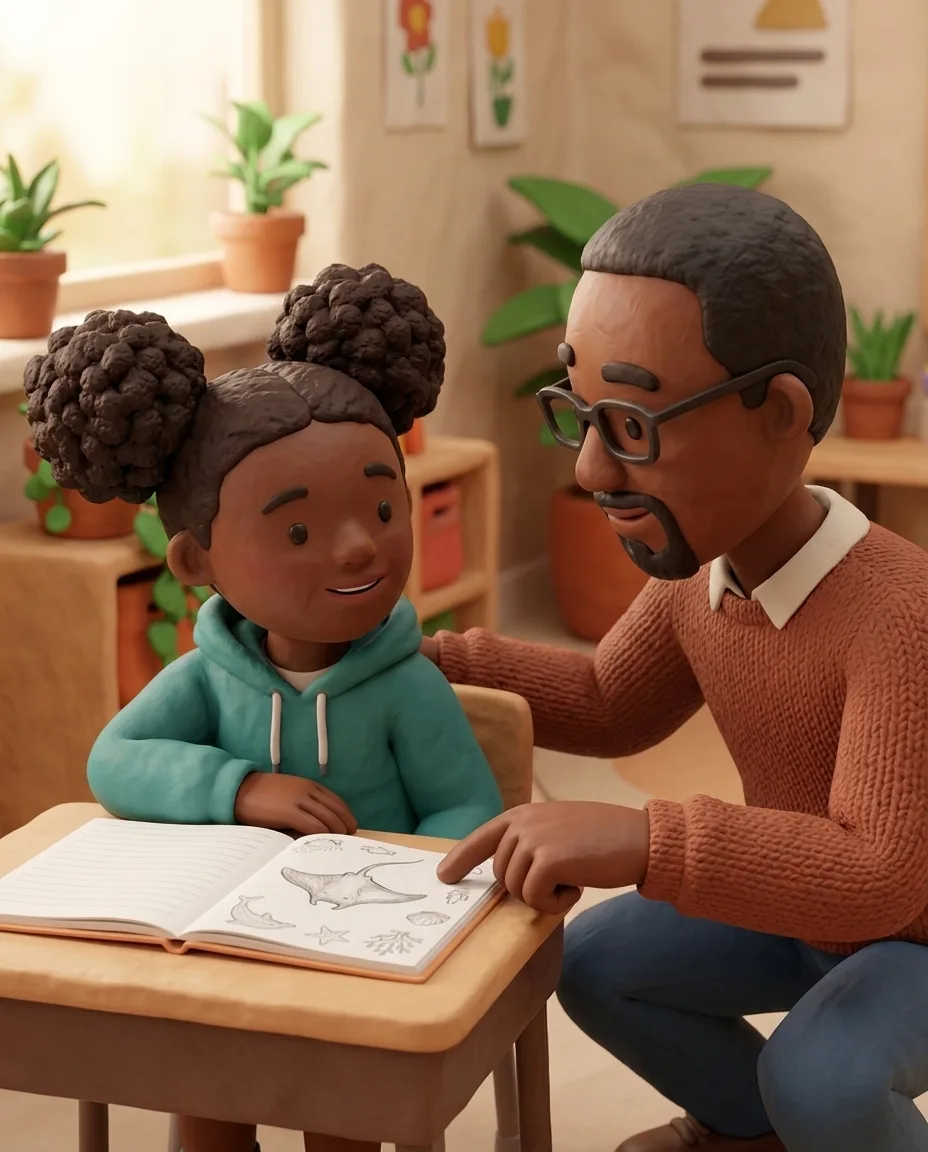
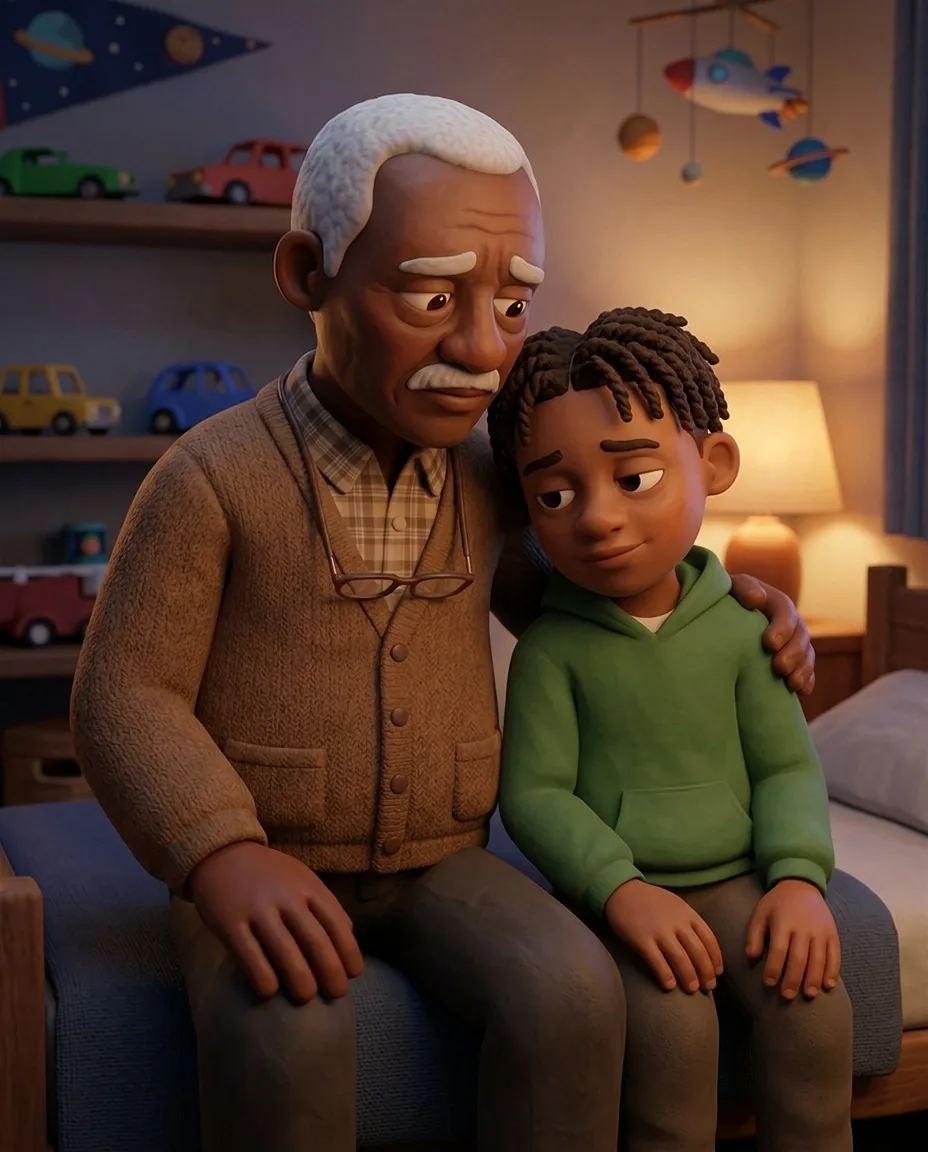
For teachers
The classroom moments that get misread — practice finding what is underneath before the form fills itself in.
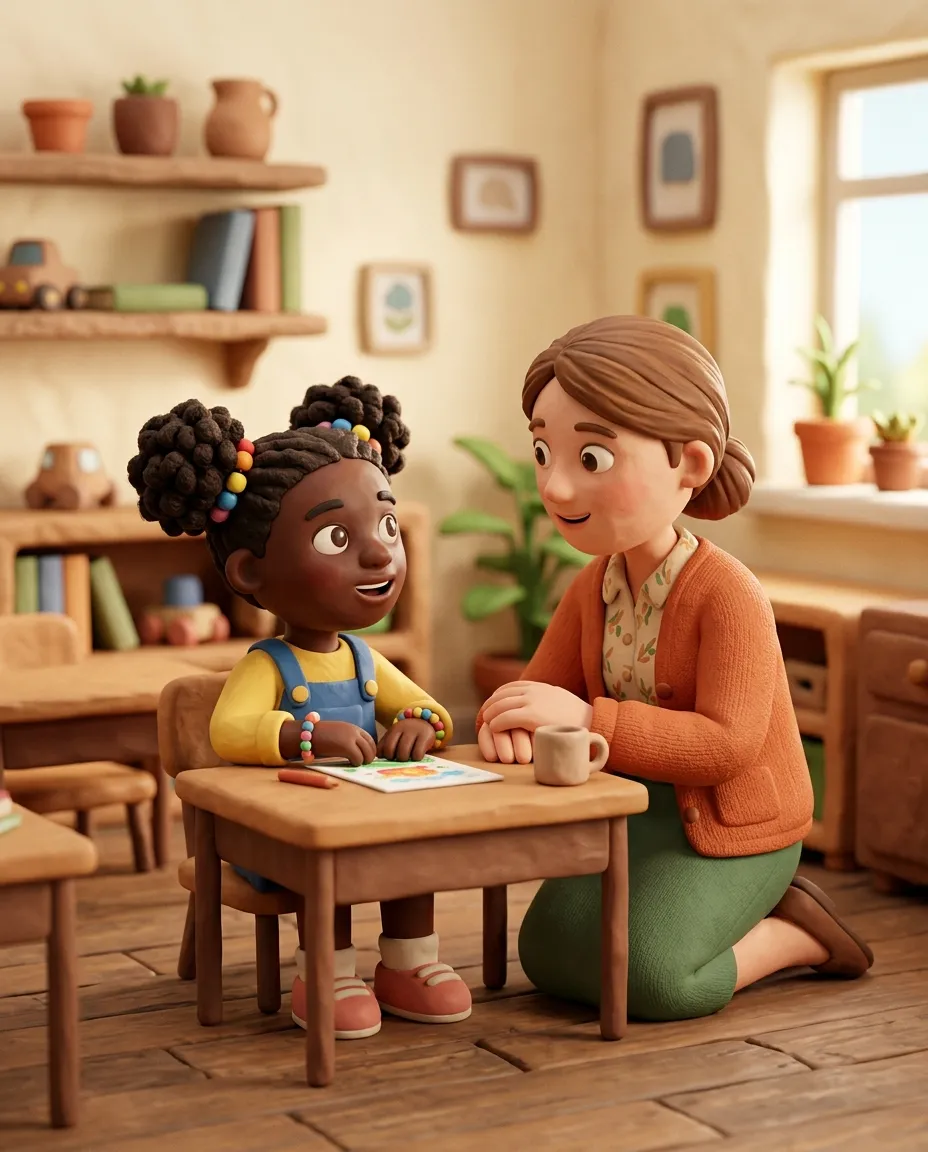
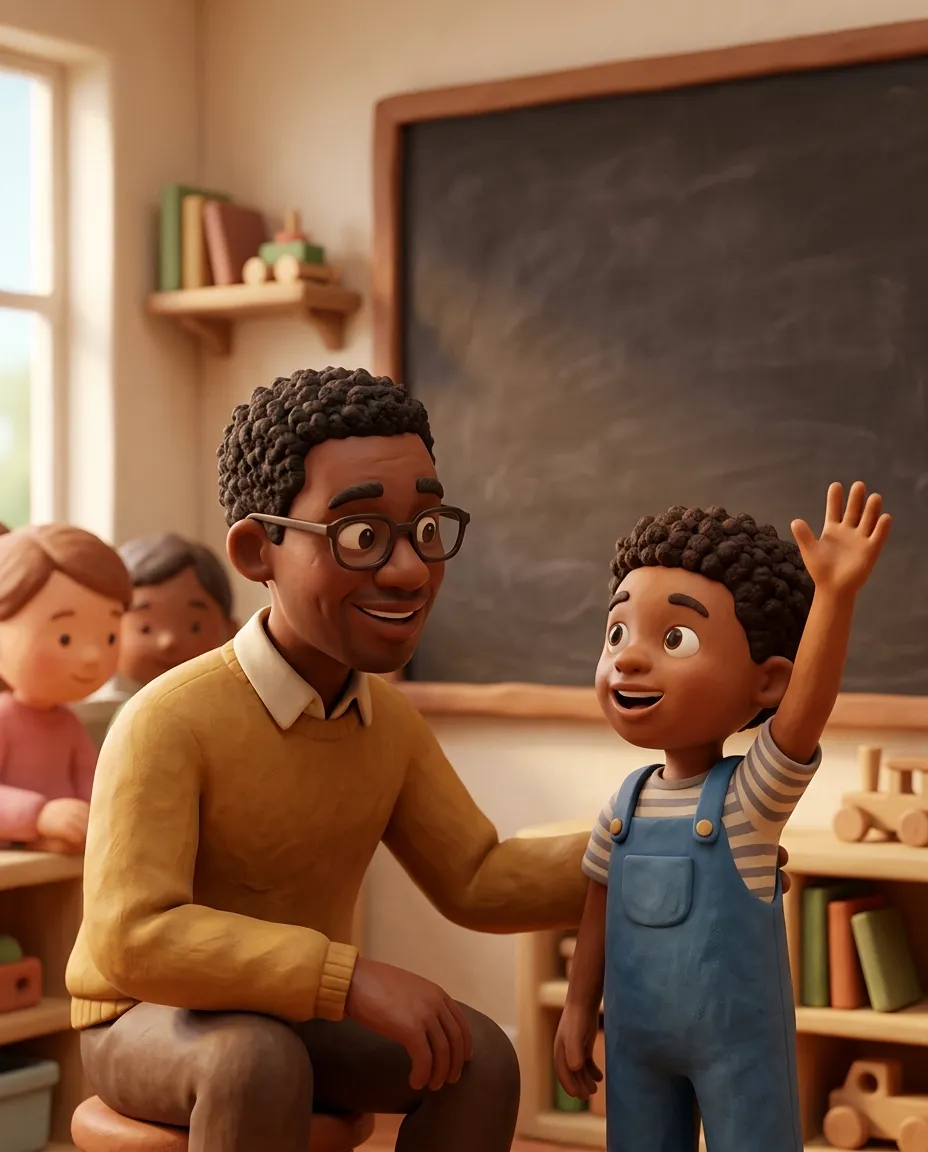
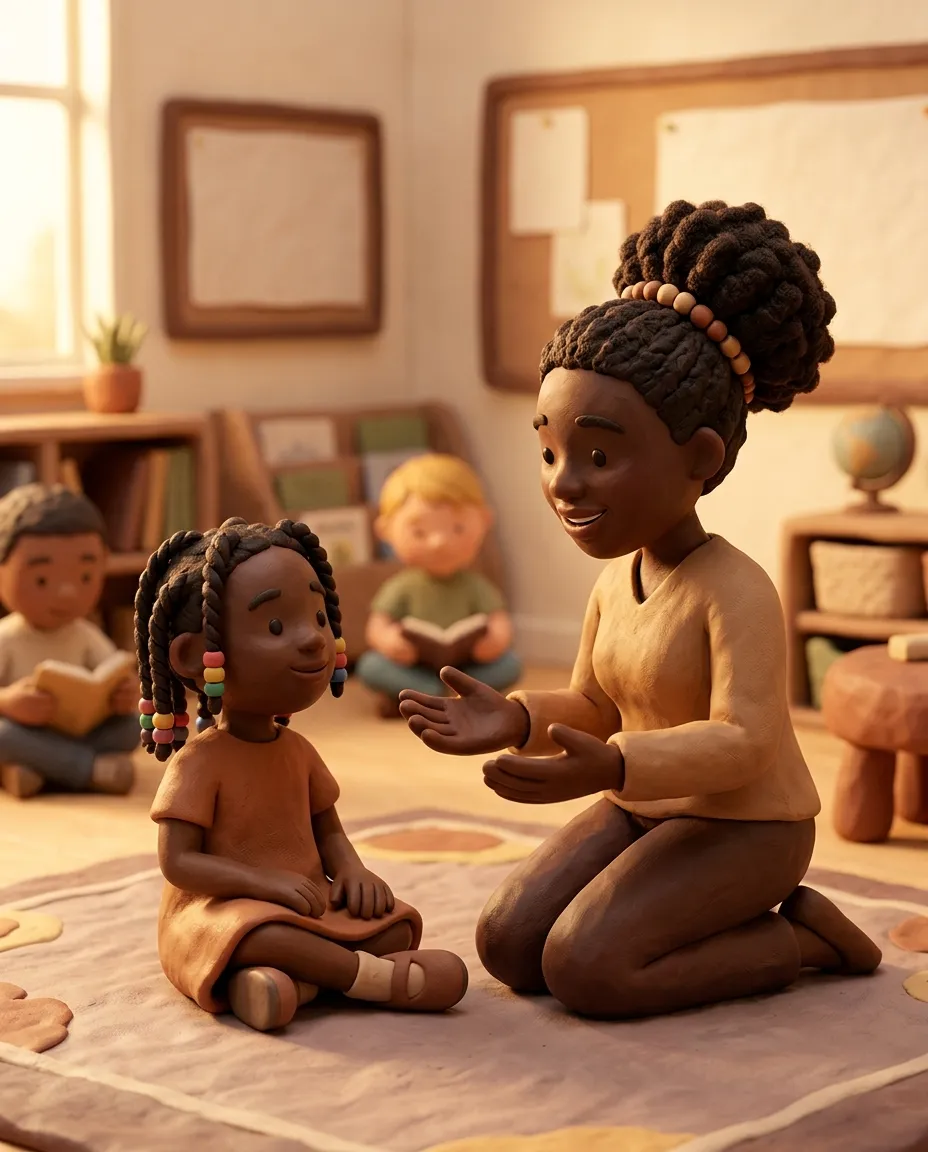
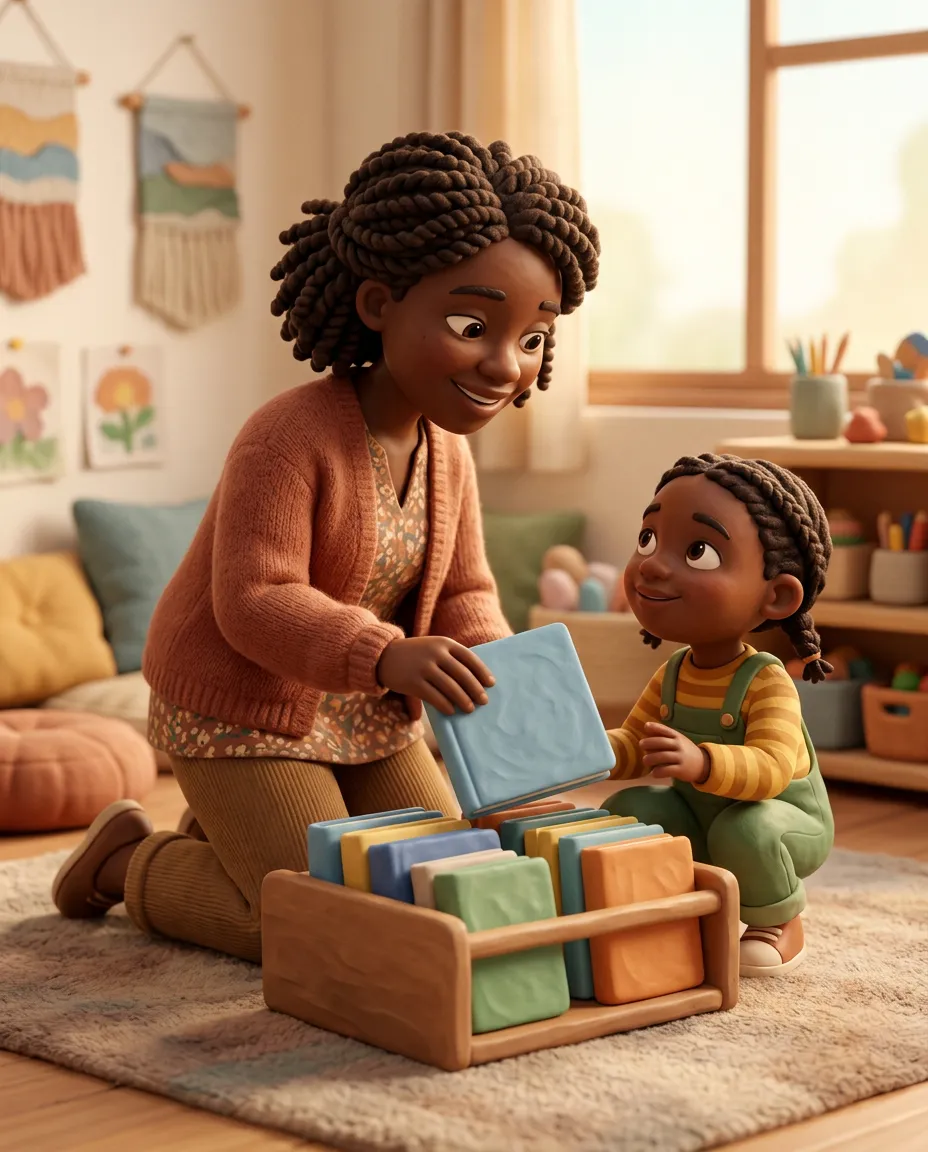
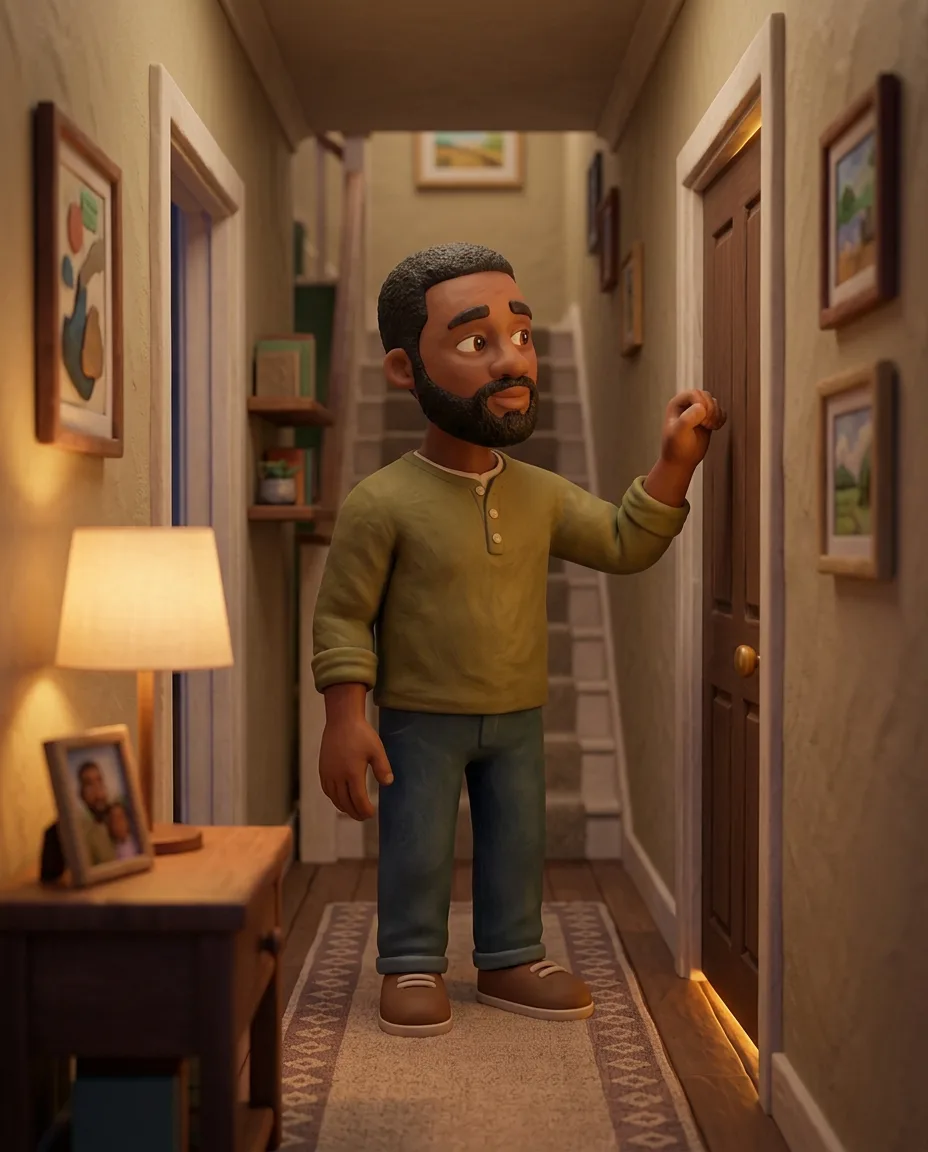
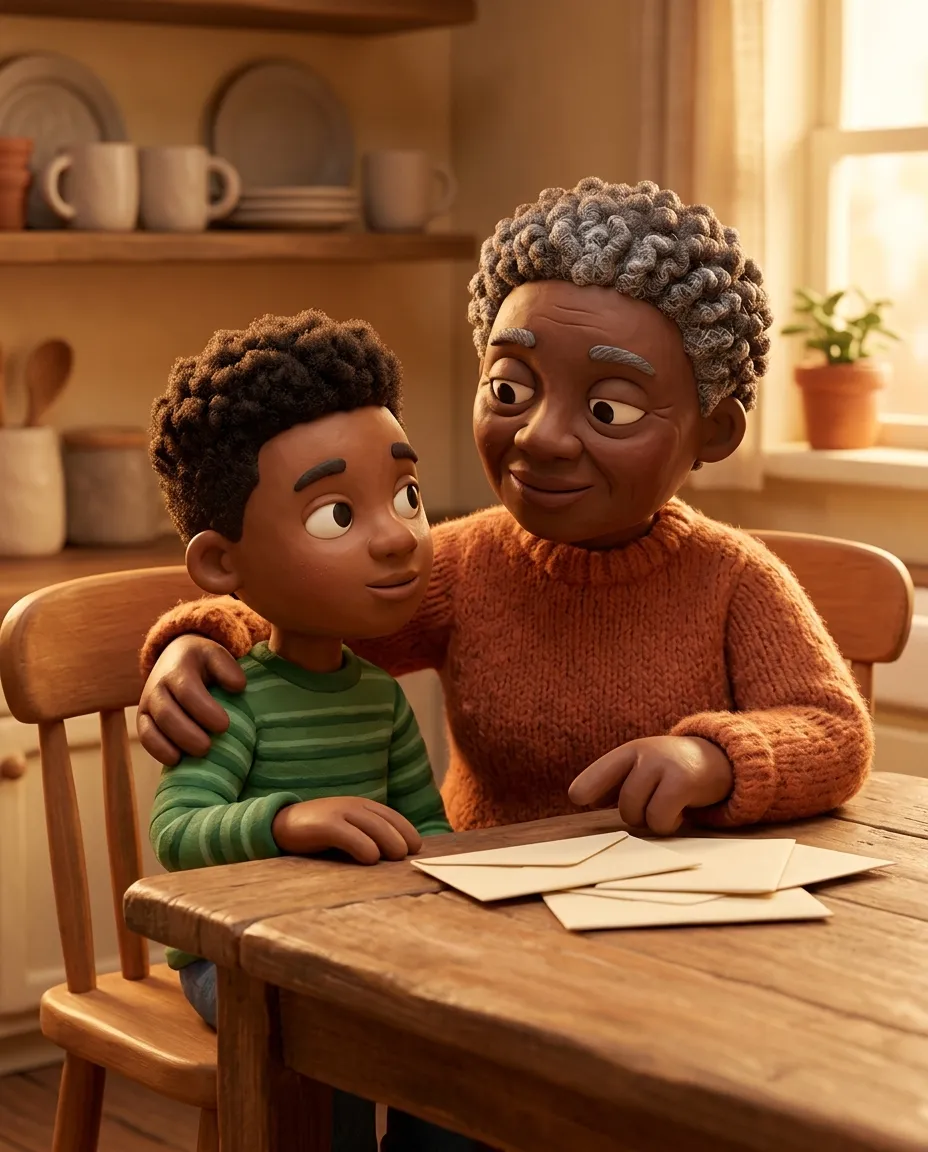
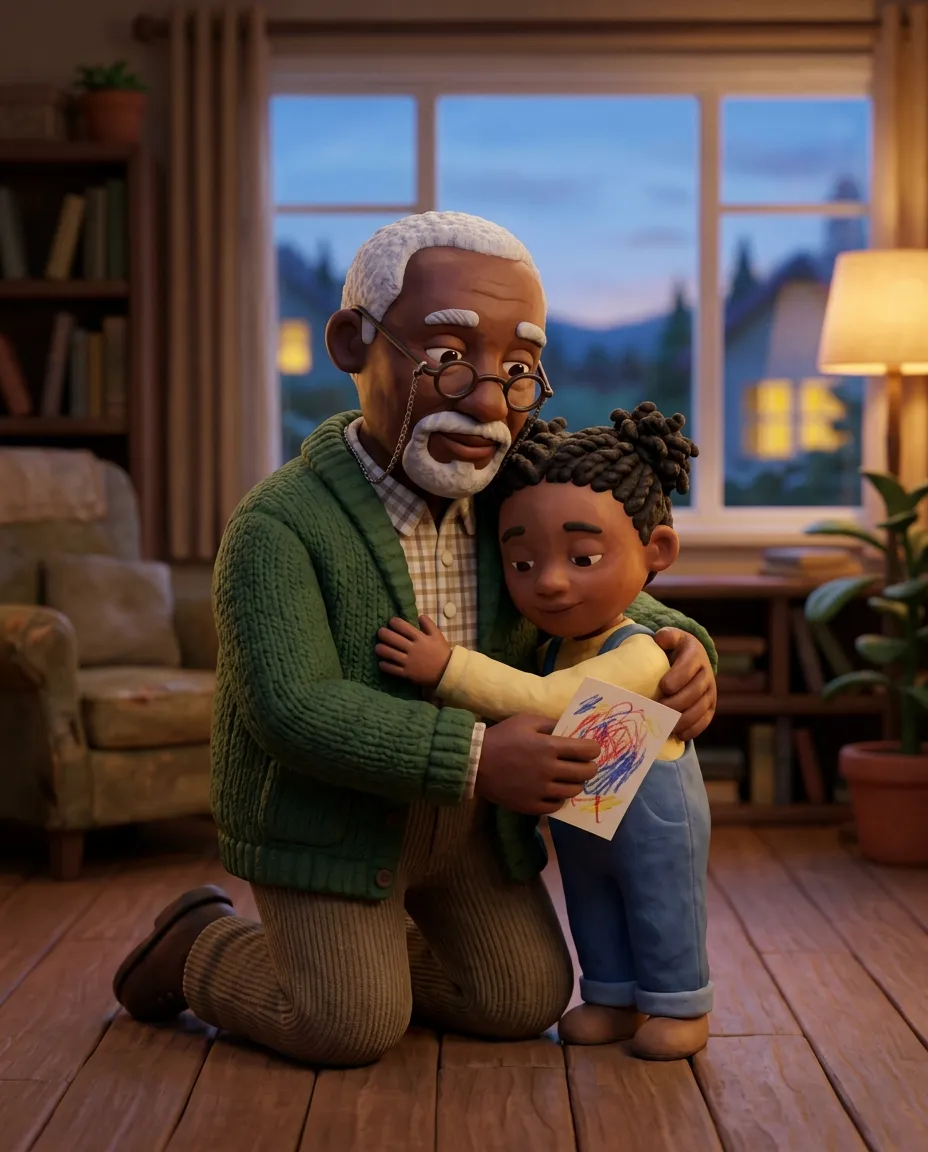
For grandparents & kinship caregivers
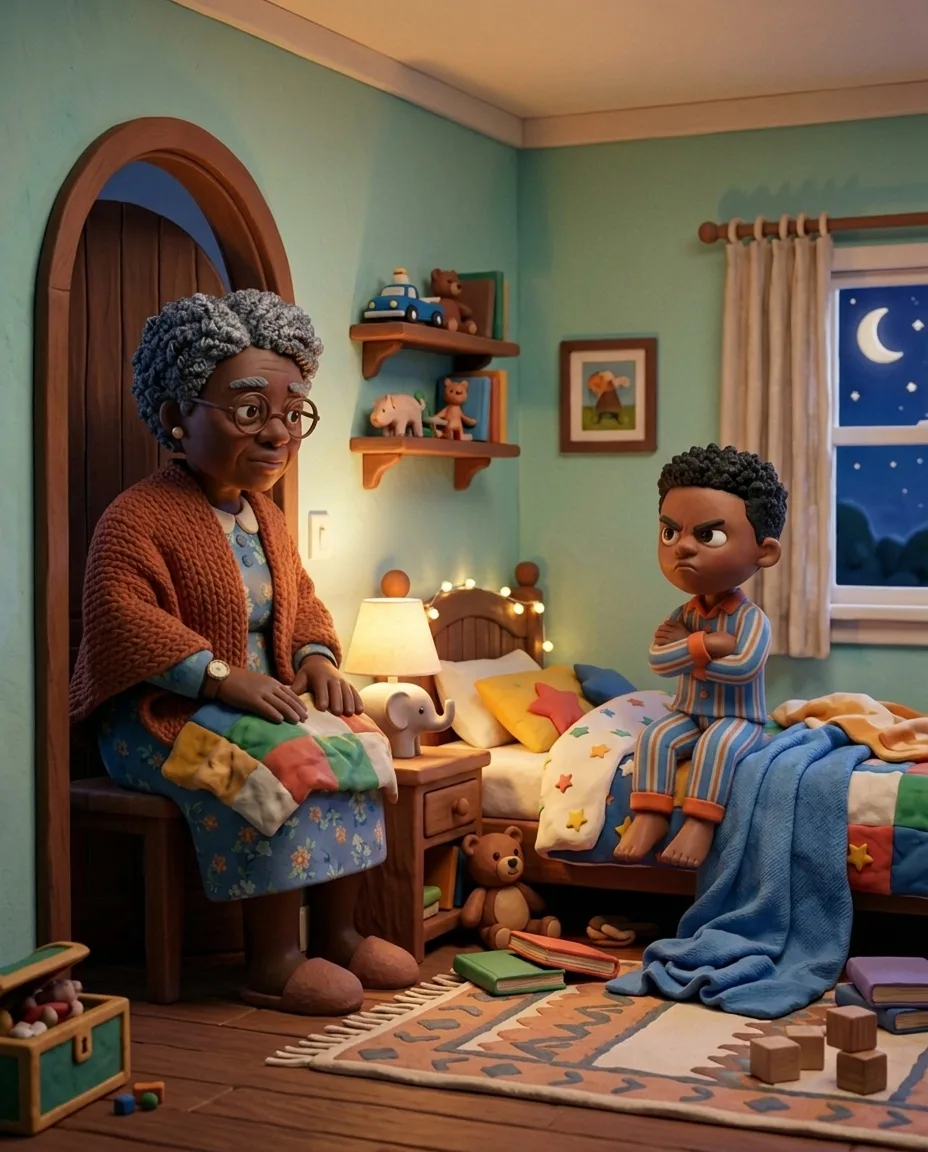
Raising them the second time around — keeping every ounce of the love, updating the method, honoring the ways you were raised.
How it works
- Five steps walk you into a real moment — the urge you inherited rises, and you feel it named without shame.
- One choice — the words that open the door, or the ones that were said to you. Choose honestly.
- No-shame retry — the not-yet choice shows the child's experience with compassion, then hands you another try. Catching yourself counts. Going back counts double.
- Keep it in your pocket — every story ends with the exact script, word for word, and one small thing to do with your child tonight.
Why these responses?
Every story ends with a choice — and grown-ups sometimes disagree with the one we call “good.” That's welcome. Here's how we think about it.
Are you telling me I'm a bad parent if I'd pick the other choice?
Who decides what the “good” response is?
What if I'd respond differently?
Is this therapy, or advice about my specific child?
Why is it made specifically for Black children?
Do you speak for all Black families?
Are there things you won't change?
I disagree with one of the responses. What do I do?
Disagree with a response? Tell us.
Point us to the story and the moment. Disagreement is how the library gets better — the stories you help shape are stronger than any we could write alone.
In the $59/yr family plan · English & Spanish · one plan covers all five Sanders Learning apps
My Whole Story is a practice tool, not therapy or treatment — never a replacement for the people who know your child. Grown-Up Practice stories are written for adults and live behind the app's grown-up spaces.